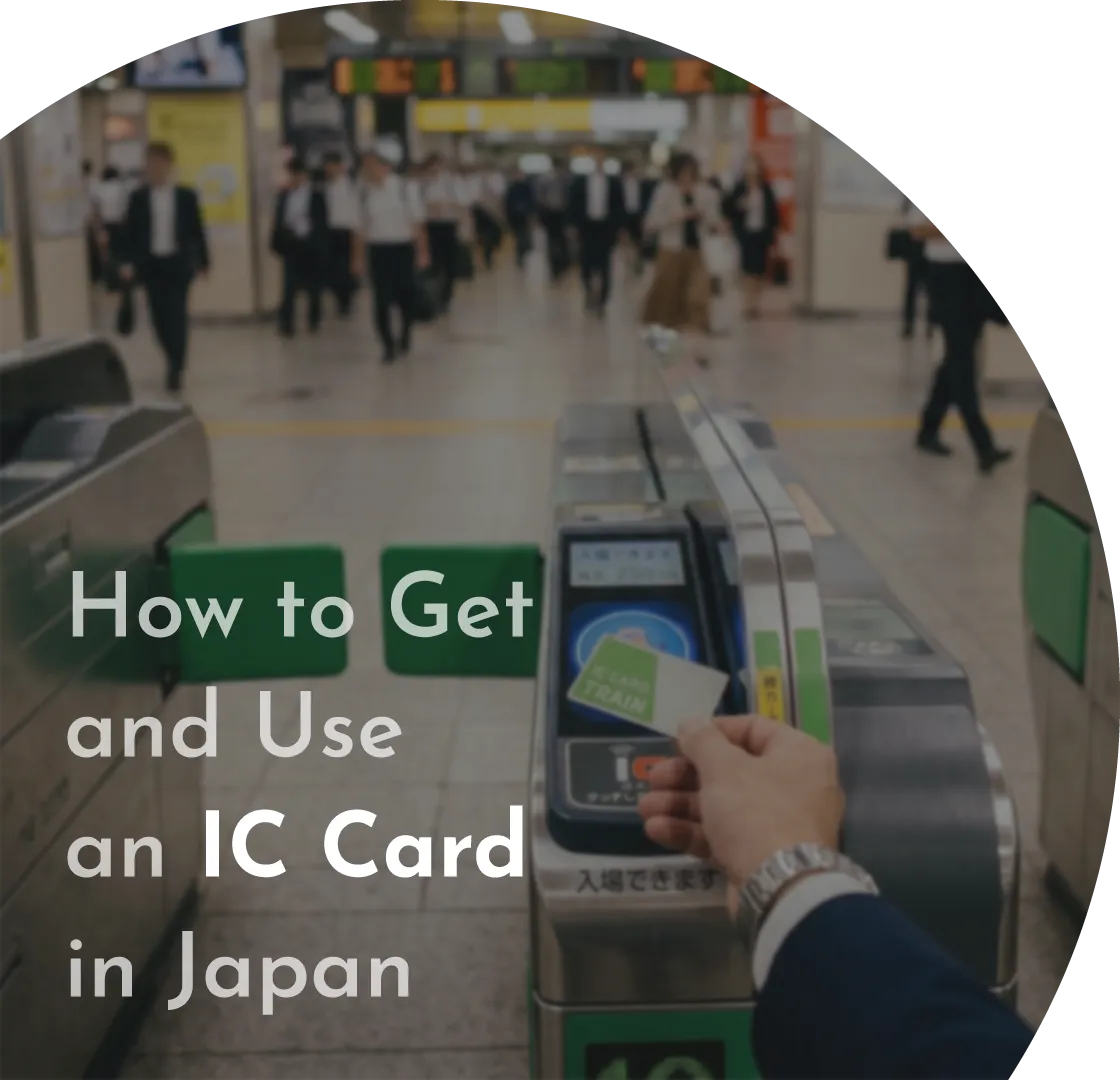
How to Get and Use an IC Card in Japan
If you are traveling in Japan, an IC card is almost essential. It is a rechargeable smart card used for public transportation that lets you pay train and bus fares with a simple tap, and it can also be used for everyday purchases at convenience stores, vending machines, and many other shops.

In this guide, we explain how to get one, the different types available, important things to know, and whether you can use it on your smartphone.
1. Which IC Card Should You Choose?
| Travel situation | Recommended option |
|---|---|
| iPhone users | Welcome Suica Mobile |
| Android users with phones purchased overseas |
Physical IC card (one of the three types below) |
| Trips up to 28 days | Welcome Suica |
| Long stays or repeat visitors | Regular Suica / PASMO |
| Traveling mainly in the Kansai area (e.g., Osaka and Kyoto) |
ICOCA |
2. For iPhone Users: Welcome Suica Mobile
In Japan, many people use Mobile Suica or Mobile PASMO, which let you add an IC card to your smartphone and use it digitally. However, these apps are available only in Japanese, and the registration process can be somewhat complicated, making them not always easy for international travelers to set up.
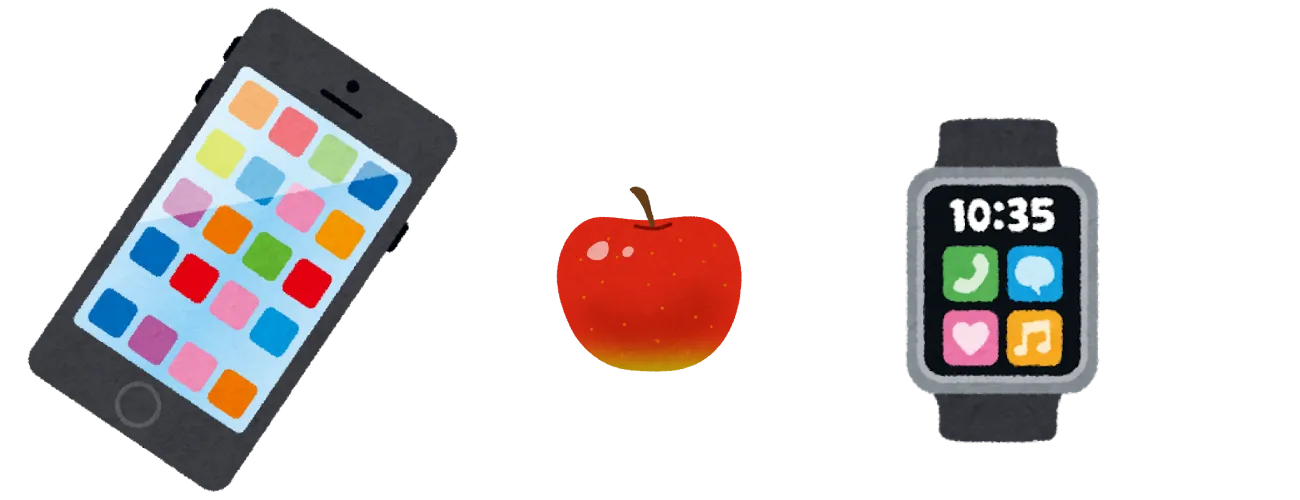
To address this, JR East launched Welcome Suica Mobile in 2025 specifically for overseas visitors to Japan. By installing the dedicated app and adding an IC card called Suica to your iPhone’s Apple Wallet, you can simply tap your smartphone to pay for train and bus fares, as well as for purchases at shops. Welcome Suica Mobile currently supports iPhone and Apple Watch.
Key benefits:
- Registration and settings can be completed through an English-language app
- No need to carry a physical card
- No deposit required to issue the card
- Instant top-ups using a credit card
Things to know:
- The Suica issued through the app is valid for 180 days
- After 180 days, the card becomes invalid and any remaining balance can no longer be used (no refunds)
- Once it expires, you can issue a new Suica through the app
Japan has several different regional IC cards, but if you add Suica to your Apple Wallet, you can use it nationwide wherever “transit IC” payments are accepted on trains, buses, and in many shops.
🔗 For detailed instructions:
Check the official website → Welcome Suica Mobile
💡 Another recommended option is ICOCA on Apple Pay. No app is required. You can simply add the IC card to your Apple Wallet to use it.
3. Overseas Android Phones Usually Cannot Use Mobile Suica or PASMO
IC card payments in Japan use FeliCa, a contactless smart card technology developed in Japan. Because most Android phones sold outside Japan do not support FeliCa, Mobile Suica and Mobile PASMO usually do not work on overseas Android devices.
Instead, you should get a physical IC card, which will be explained in the following sections.
However, many Android phones sold in Japan do support FeliCa. As a result, you may sometimes see local people tapping their smartphones at ticket gates.
In Japan, contactless payments using mobile phones became popular even before smartphones were common through a system called Osaifu-Keitai (literally meaning “wallet cellphone”). Because of this history, many Android phones designed for the Japanese market include FeliCa and Osaifu-Keitai support, allowing users to use services such as Mobile Suica and Mobile PASMO on their phones.
💡 For more details, see the side article:
→ #003 History of Contactless Payments and the Diversity of Payment Methods
4. For Short-Term Visitors: Welcome Suica
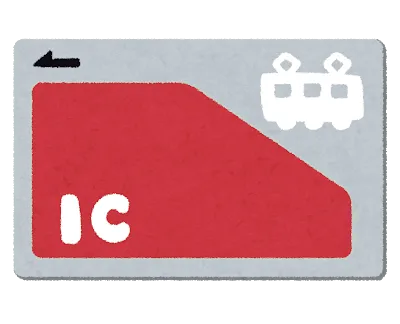
Welcome Suica is recommended for travelers staying in Japan for up to 28 days. It is a physical IC card designed specifically for international visitors.
Features:
- Issued only at limited locations (such as airports and major stations)
- Valid for 28 days
- No deposit required (regular Suica / PASMO require a ¥500 deposit)
- Remaining balance cannot be refunded
- Child cards available … fares are half price, valid until March 31 following the day the child turns 12
(Children under 6 usually ride free when accompanied by an adult.)
Things to know:
- Any remaining balance cannot be refunded
- Any remaining balance cannot be used after the card expires.
🔗 Where to get:
Check the official website → Welcome Suica
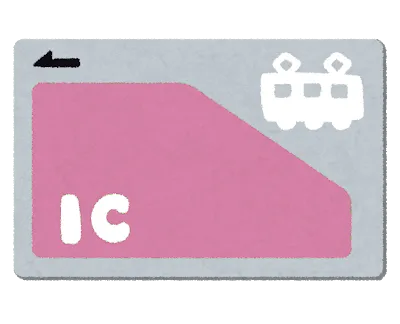
5. Regular Suica / PASMO (Registered or Unregistered Cards)
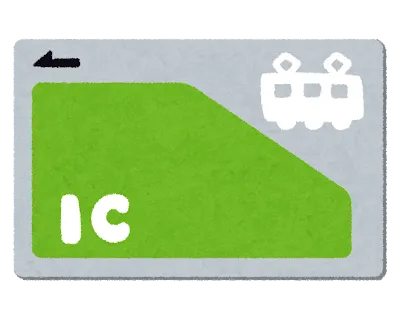
This option is recommended for people who plan to stay in Japan for a longer period or visit Japan multiple times. These are also physical IC cards.
Common features:
- A ¥500 deposit is required (the deposit is refunded if you return the card)
- No expiration date (though the card becomes invalid if it is not used for 10 years)
Unregistered card (Suica / Blank PASMO):
- Issued immediately with no registration
- No compensation if the card is lost
Registered card (My Suica / Personalized PASMO):
- Personal information registration required
- If the card is lost, it can be reissued (a fee is required, but the remaining balance will be transferred)
- Child cards available … fares are half price, valid until March 31 following the day the child turns 12
(Children under 6 usually ride free when accompanied by an adult.)
Where to get:
- Suica … at the black ticket machines that issue IC cards or JR ticket offices at JR East stations
- PASMO … at ticket machines operated by private railway and subway companies in the Tokyo area
🔗Official websites for international visitors:
Suica and PASMO offer almost identical functions. For people who live in Japan, the main difference is which railway companies can issue commuter passes. For travelers, however, the difference is minimal, so you can simply choose the one whose design you prefer.
Note: Due to a past semiconductor shortage, sales were temporarily restricted. The restriction has now been lifted, but it could happen again in the future.
6. Different IC Card Brands in Japan
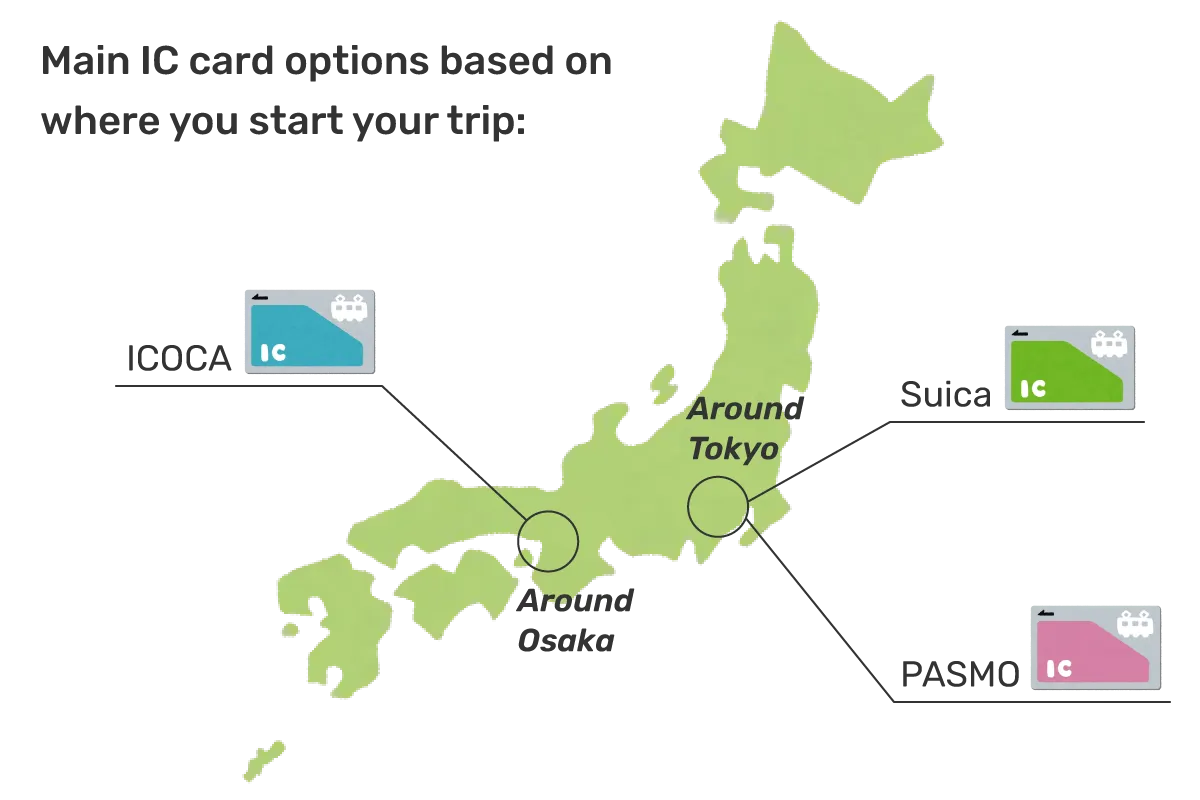
IC card service areas exist in many parts of Japan, and various IC card brands are issued in different areas. These are collectively referred to as “transit IC.”
Most of these cards can be used interchangeably in compatible areas across Japan, regardless of where they were originally issued. For example, a Suica issued in Tokyo can also be used in Osaka. However, IC cards cannot be used for long-distance trips that cross different IC card service areas. For such trips, you may need to purchase a paper ticket.
In the Kansai region, ICOCA, issued by JR West, is the most common card.
As a simple rule of thumb, choose your IC card based on the airport where you arrive or the region where you start your trip:
- 📍 Eastern Japan → Suica / PASMO
- 📍 Western Japan → ICOCA
7. How to Top Up
Places where you can top up:
- Ticket machines at train stations
- Convenience store registers
- ATMs inside 7-Eleven stores

In most cases, IC cards can be topped up with cash only.
For most cards, the maximum balance is ¥20,000 (about $130 or €110).
… Currency conversions are approximate and based on exchange rates around March 2026.
💡Helpful links:
8. Final Notes
✏️ One IC card per person is enough. There is no need to buy more than one card per person.
✏️ How to ride trains and buses is explained in our previous article
→ #001 How to Use Public Transportation in Tokyo
✏️ IC cards can also be used for purchases, not just for transportation fares.
They can be used in places such as:
- Convenience stores
- Some vending machines
- Drugstores
- Fast food restaurants
- Other shops displaying the “transit IC” mark
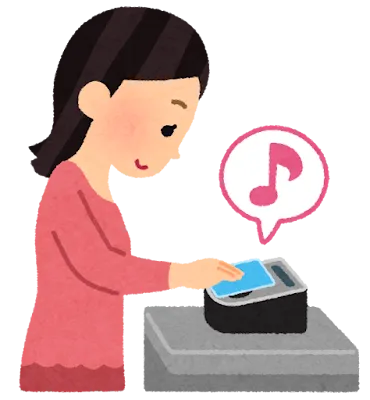

IC cards make small payments quick and easy.
Make the most of transit IC cards and enjoy a smooth and comfortable trip in Japan!
If this article was useful to you, support via
 is appreciated.