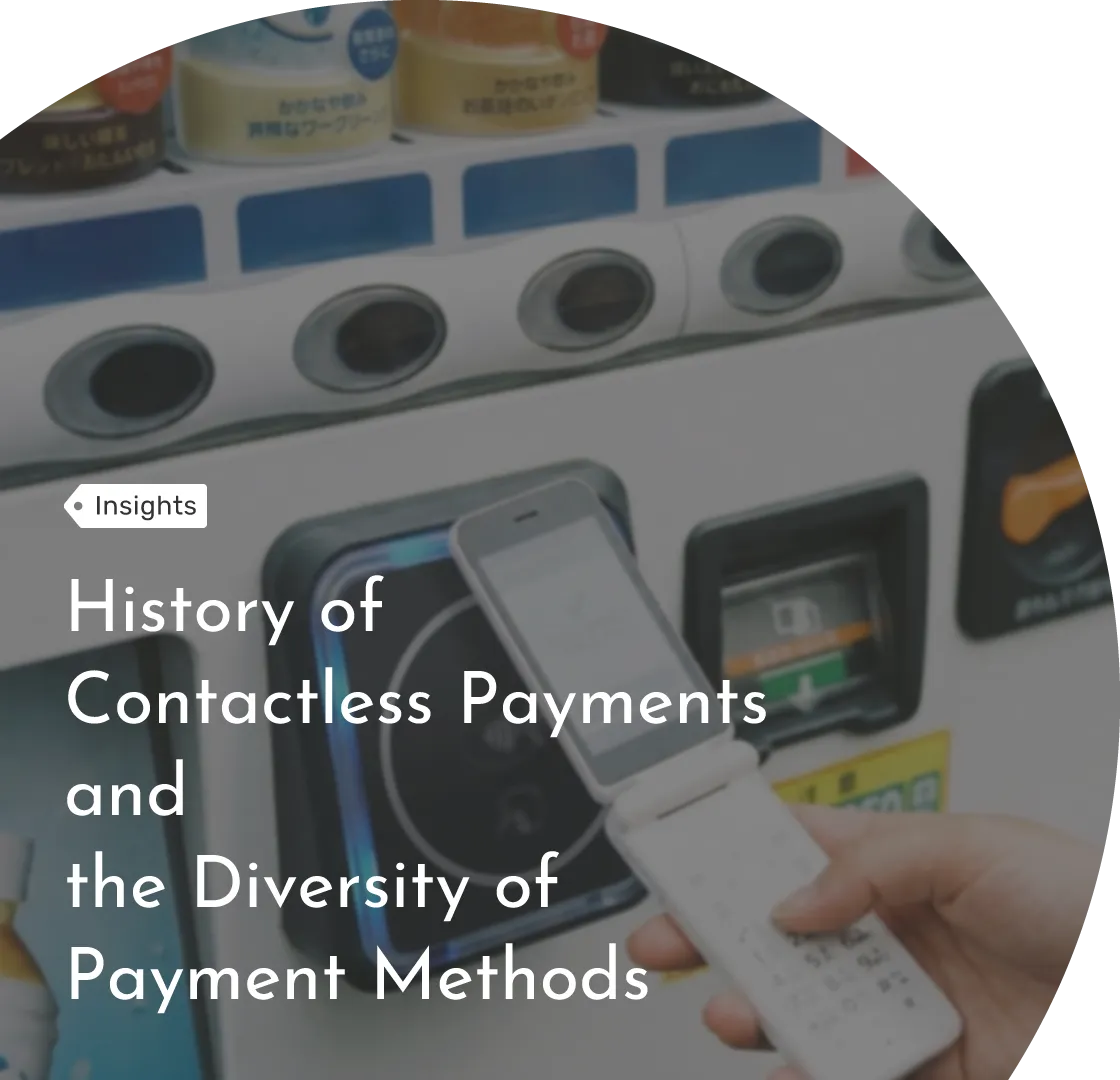
History of Contactless Payments and the Diversity of Payment Methods
Following on from the explanation of transit IC cards in “#002 How to Get and Use an IC Card in Japan,” this article introduces the background of contactless payments in Japan.
History 1 — Transit IC Cards and Smartphones
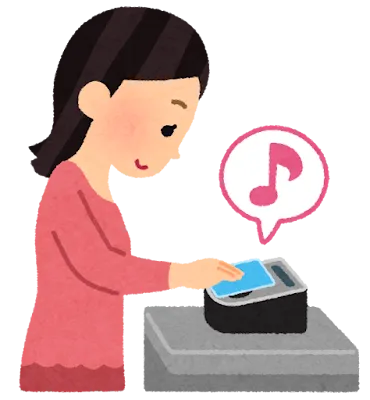
Transit IC cards such as Suica, PASMO, and ICOCA can be stored and used on smartphones on the following devices.
- iPhones
… because they are developed with the large Japanese market in mind - Android devices made for the Japanese market
However, this does not work on Android devices designed for overseas markets.
Why can Suica, PASMO, and ICOCA only be used on Japanese Android devices?
The answer lies in the history of mobile payments in Japan and a technology called “FeliCa.”
History 2 — FeliCa and Osaifu-Keitai
Transit IC cards use a technology called “FeliCa,” developed by Sony.
In Japan, even before Apple Pay and Google Pay appeared, a system called “Osaifu-Keitai” (literally meaning “wallet cellphone”) was already widely used, allowing people to make payments by tapping their mobile phones.
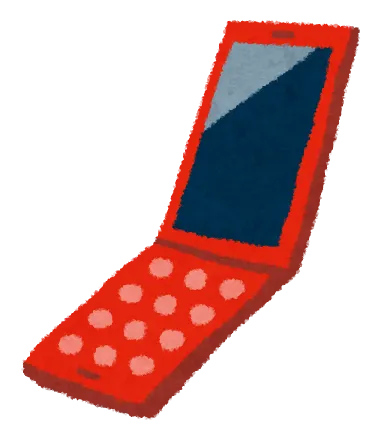
Osaifu-Keitai is an app that lets users register FeliCa-based payment methods and use them for tap payments. It has been used since the era of so-called “Gala-kē” mobile phones, before smartphones. It is similar in concept to today’s Apple Pay or Google Pay wallets.
Gala-kē:
“Gala-kē” is short for “Galápagos Keitai,” which means “Galápagos phones.” It refers to a unique type of mobile phone that was common in Japan before smartphones became widespread, especially from around 2000 to the early 2010s. These devices evolved specifically for the Japanese market and included features such as a camera, mobile payments, TV reception, and mobile internet long before smartphones became popular worldwide. The term “Galápagos” comes from the idea that these phones evolved in isolation, much like the unique species found on the Galápagos Islands.
🔗 Example images → View image search results
History 3 — Differences in Standards
Contactless credit card payments such as “Visa tap to pay” and “Mastercard contactless” use the following technologies:
- NFC Type-A / Type-B (internationally standardized communication protocols)
- EMV Contactless (a contactless payment standard)
… EMV stands for “Europay, Mastercard, and Visa.” It was originally developed by these three organizations, and is now managed by EMVCo, a consortium of major global payment networks.
FeliCa is similar to NFC at the physical level, but it uses a different communication protocol. It is a proprietary technology developed by Sony.
In 2001, when EMV contactless was not yet mature enough for transport infrastructure, JR East introduced Suica in Japan, which uses FeliCa technology.
From a technical perspective:
- FeliCa is standardized as NFC Type-F
- Even if a device supports NFC, it does not necessarily support FeliCa
History 4 — Integration into Smartphones
In summary:
- Credit card tap payments / non-iPhone overseas smartphones
→ EMV (NFC Type-A / Type-B) - Japanese transit IC cards / Osaifu-Keitai
→ FeliCa (NFC Type-F)
Most overseas smartphones support only Type-A / Type-B and do not support Type-F.
In contrast, smartphones for the Japanese market often support not only Type-A / Type-B but also Type-F, following the widespread adoption of FeliCa in Japan.
Various Payments 1 — Apple Pay and Google Pay in Japan
Even before the rise of “Visa tap to pay” and “Mastercard contactless,” credit cards in Japan were already widely linked to FeliCa-based tap payment services such as QUICPay and iD.
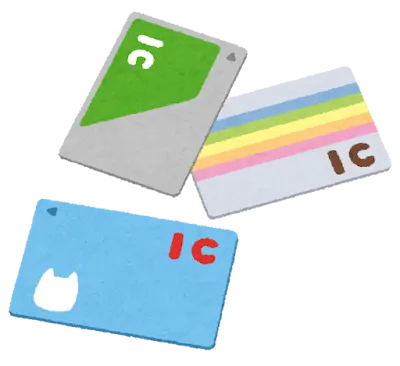
Transit IC cards, which began with Suica, have also developed over time, and there are now more than ten different card brands. Among them, major cards such as Suica, PASMO, and ICOCA can be used on smartphones.
In addition to transit IC cards, the AEON Group, which operates shopping malls across Japan, offers “WAON,” while Seven-Eleven and its affiliated supermarkets use “nanaco.” These are prepaid IC payment systems that also use FeliCa and are widely used by many people.
As smartphones became more common, these services became available through Apple Pay and Google Pay.
For many people outside Japan, Apple Pay and Google Pay are mainly seen as a way to pay with a registered credit card.
However, in Japan, they include multiple payment options, such as:
- QUICPay
- iD
- Credit card tap payments
- Transit IC (including Suica, PASMO, and ICOCA)
- WAON
- nanaco
People choose between these options depending on the situation.
Various Payments 2 — Barcode Payments
The demand for contactless payments increased during the COVID-19 pandemic, and barcode payments, which are inexpensive to implement, spread rapidly.
You can pay by showing a barcode or QR code on your smartphone at the register, or by scanning a payment QR code with your phone.
There are many brands offering barcode payment services. When you visit Japan, you may notice a long list of payment logos displayed at store checkouts.
“PayPay,” one of the most popular barcode payment services, is widely used not only for everyday purchases but also for personal transactions, such as splitting bills with friends. You can think of it as somewhat like PayPal in Western countries.
Various Payments 3 — Carrying Cash
Cash is still widely used in Japan.
Although many electronic payment methods are available, it is still common to encounter situations where only cash is accepted. This is often mentioned by foreign visitors.
It is recommended to carry some cash when traveling, especially if you plan to use transport outside major cities or visit small, independently run shops and restaurants.
If this article was useful to you, support via
 is appreciated.